
The benefits of fresh milled flour go far beyond better flavor. For many of us, it becomes a gentle return to the old ways — back to slower kitchens, simpler ingredients, and bread that actually feels good to eat and supports the body.
If you’re searching for the real benefits of fresh milled flour, this guide shares what actually changes when you make the switch.
After listening to Sue Becker share her story on the Simple Farmhouse Life podcast, I finally invested in a grain mill and began milling my own flour at home. I expected the taste to improve — and it did. But what surprised me most was the deeper benefits of fresh milled flour: steadier energy, better digestion, and meals that felt truly nourishing instead of heavy.
If you’ve ever wondered whether fresh milled flour is really worth the extra step — or why so many home bakers are returning to traditional whole grains — this guide walks through the real, practical benefits of fresh milled flour and what they can mean in your own kitchen.
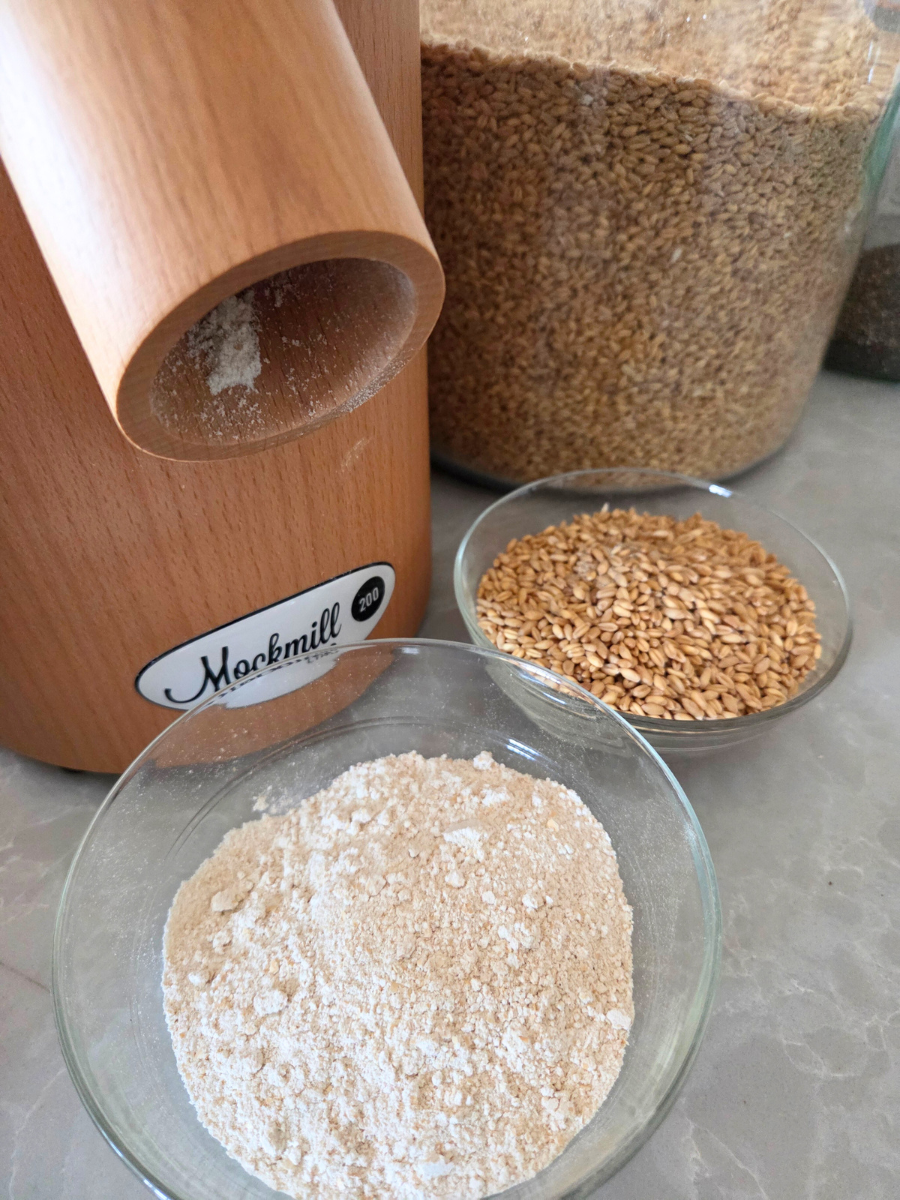
Quick Look: Core Benefits of Fresh Milled Flour
Fresh milled flour keeps the parts of the grain that modern flour removes — the bran, germ, natural oils, and full mineral profile. Because of this, the benefits of fresh milled flour extend far beyond taste alone and support the body in ways refined flour simply can’t.
Here’s a clear snapshot of the key benefits of fresh milled flour:
Instead of empty calories, you’re working with real, whole-food ingredients the body recognizes and knows how to use — which is where the true benefits of fresh milled flour begin to shine.
A Brief History of White Flour (and Why It Matters)
To truly understand the benefits of fresh milled flour, it helps to look at what happened when modern white flour came into the picture.
Before the early 1900s, most families used flour that was either freshly milled or ground close to baking day. Grain was used whole — with the bran, germ, natural oils, and minerals fully intact. Bread was nourishing, filling, and naturally rich in flavor.
Then industrial roller milling changed everything. In the name of longer shelf life and visual uniformity, the most nutrient-dense parts of the grain — the bran and germ — were stripped away. What remained was a pale, shelf-stable powder with far less nutritional value.
To compensate, flour was later “enriched” with a handful of isolated nutrients, but this never restored the full spectrum of minerals, vitamins, fiber, and living oils originally found in the grain. Bleaching and chemical conditioners became common as well, further distancing modern flour from its natural state.
This shift explains why so many home bakers today are rediscovering the benefits of fresh milled flour. By returning to the whole grain in its original form, we restore the nutrition, flavor, and function that traditional bread was always meant to provide.
The Most Important Benefits of Fresh Milled Flour
This is where the true transformation happens. The benefits of fresh milled flour go far beyond aesthetics — they impact how your body digests, uses, and responds to the food you eat.
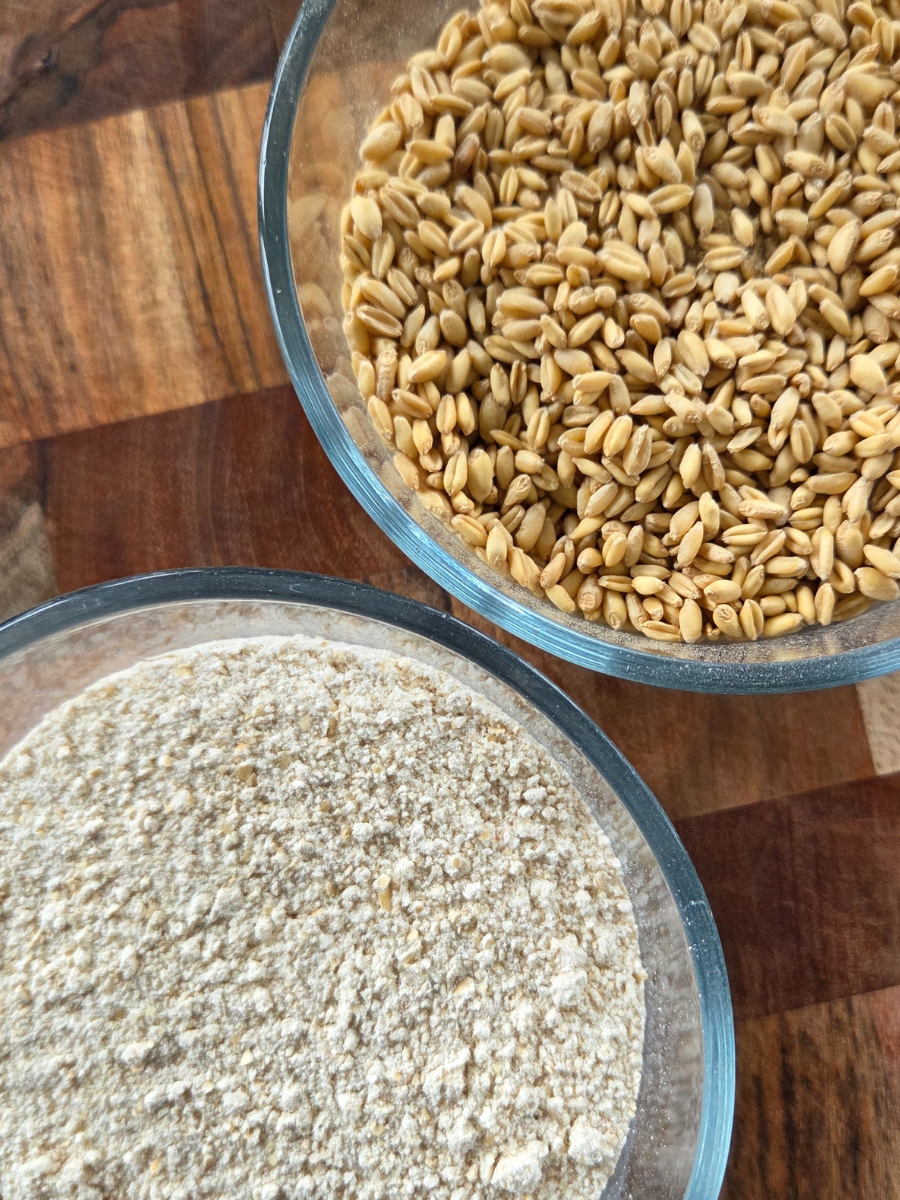
1. Fresh Milled Flour Retains Its Full Nutritional Value
Unlike processed flour that has been stripped, aged, and stored for months, freshly milled flour keeps everything the grain was created with:
- B vitamins that support energy and metabolism
- Vitamin E and antioxidants from the germ
- Complete fiber structure from the bran
- Essential minerals like magnesium, zinc, iron, manganese, and silica
- Natural oils that support satiety and slow digestion
This is one of the most powerful benefits of fresh milled flour — you’re working with a true whole food, not a stripped-and-reconstructed product.
2. Benefits of Fresh Milled Flour for Digestion & Gut Health
Because the grain remains intact, your body can process it the way it was designed to. The natural fiber structure supports gut bacteria and encourages smoother digestion.
Many people notice:
- less bloating
- improved regularity
- gentler digestion
- reduced heaviness after meals
- a more balanced digestive rhythm
In our home, we felt this shift almost immediately.
3. Flavor Benefits of Fresh Milled Flour
Freshly milled flour has a depth and character that store-bought flour simply cannot match. You’ll notice:
- warm, nutty aroma
- softer, more tender crumb
- richer crust development
- naturally sweet undertones
- longer-lasting freshness
Each grain carries its own personality — einkorn is buttery, spelt is silky, and hard white wheat offers a mild, full-bodied flavor that shines in everyday baking.
4. Blood Sugar & Energy Benefits of Fresh Milled Flour
Thanks to its intact fiber and mineral profile, fresh milled flour digests more slowly and supports steadier energy levels throughout the day. Many home bakers find this leads to:
- fewer blood sugar spikes
- more consistent energy
- reduced cravings
- improved satiety
- natural appetite balance
We personally noticed that meals made with fresh milled flour kept us full longer and reduced the urge to snack between meals. Fresh bread isn’t usually the thing people associate with weight loss — but this kind of bread works differently.
5. Minerals Remain Intact Through Baking
Heat does not destroy minerals, which means your finished bread still delivers the full mineral profile nature intended, including:
- magnesium for nerve and muscle support
- zinc and manganese for metabolic health
- iron in its natural food-bound form
- trace minerals often missing from refined flour
This is another overlooked but essential benefit of fresh milled flour.
6. Fresh Milled Flour Is Naturally More Satisfying
Because the grain’s oils, fiber, and nutrients remain present, bread made from fresh milled flour is deeply nourishing and genuinely filling.
Most people notice:
- feeling fuller, longer
- calmer appetite
- more satisfying meals
- less desire to overeat
This isn’t about restriction — it’s real food doing what real food was designed to do.
7. Lifestyle Benefits of Fresh Milled Flour
Beyond the physical side, fresh milling reconnects you to your food. Pouring grain into the mill, hearing the gentle hum, and watching warm flour fall into the bowl becomes a small daily ritual — grounding, intentional, and deeply satisfying.
It invites slower living, mindful baking, and a return to the kind of kitchen rhythm our great-grandmothers would recognize.
Fresh Milled Flour vs Store-Bought Flour: A Simple Comparison
Understanding the benefits of fresh milled flour becomes even clearer when you see how it compares side-by-side with conventional store-bought flour.
If you’d like a deeper breakdown, you can read my full article on fresh milled flour vs. store-bought flour where I explain the differences in nutrition, flavor, and baking performance in more detail.
| Feature | Fresh Milled Flour | Store-Bought Flour |
|---|---|---|
| Nutritional content | Full spectrum of vitamins, minerals, fiber, and oils intact | Stripped and later “enriched” with isolated nutrients |
| Flavor | Warm, nutty, fresh, and complex | Flat, neutral, often bland |
| Digestibility | Gentle on the gut and naturally supportive | Often heavier and harder to process |
| Satiety | Keeps you full longer | Hunger returns more quickly |
| Blood sugar impact | Slower digestion and steadier energy | Faster spikes and crashes |
| Shelf life | Best used fresh for peak benefits | Long shelf life but nutritionally depleted |
| Baking results | Rich crumb, deeper aroma, satisfying texture | Lighter but less nourishing structure |
This comparison highlights why so many bakers choose to experience the long-term benefits of fresh milled flour instead of settling for convenience-driven alternatives.
How to Start Enjoying the Benefits of Fresh Milled Flour
The best way to experience the benefits of fresh milled flour is to start simply and build confidence as you go. You don’t need to overhaul your entire kitchen overnight — small changes make a big difference.
If you’re brand new to fresh milling, soft white wheat is the easiest and most forgiving grain to begin with. It behaves beautifully in cookies, pancakes, muffins, and brownies, making it ideal for beginners.
When you’re ready to move into yeast breads, sandwich loaves, pizza dough, and sourdough, transition to hard white or hard red wheat for stronger gluten development and better structure.
A Simple Beginner Approach
- Start with one familiar recipe you already know and love
- Swap in fresh milled flour using soft white wheat
- Expect slight texture differences at first — this is normal
- Adjust hydration slowly as needed
- Mill only what you need for each recipe for best results
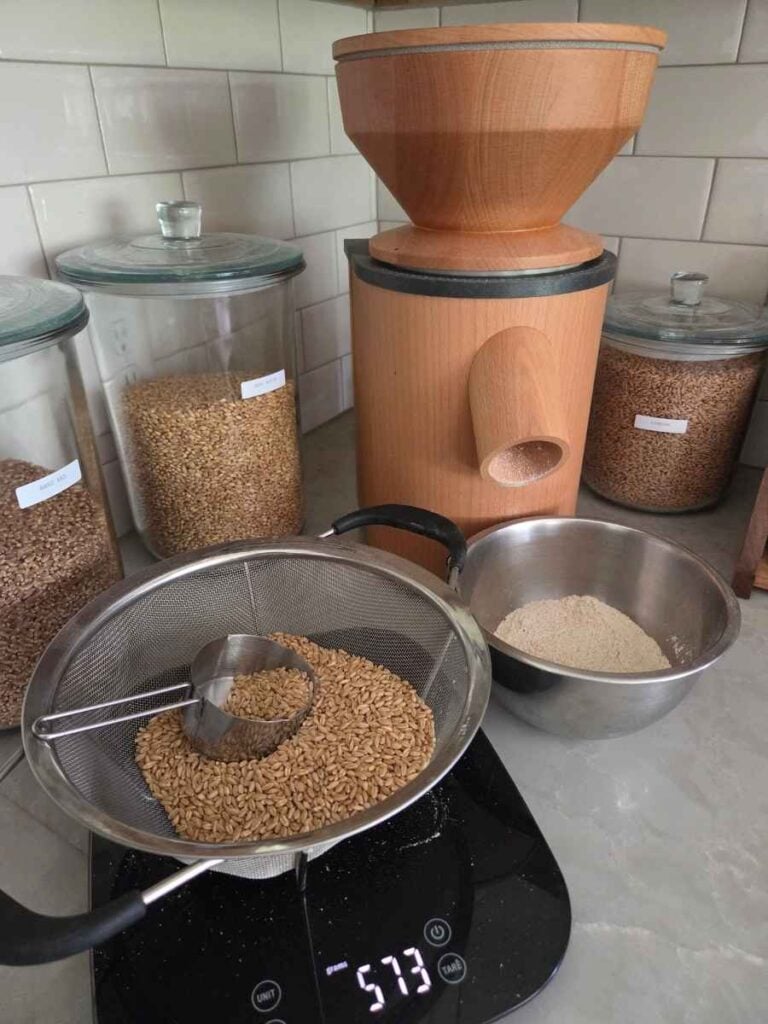
I personally weigh my grains and mill them right before baking. This keeps the flour at its peak freshness and allows me to fully enjoy the benefits of fresh milled flour in every batch.
Easy Substitution Guide
- Weight-based conversion: 130g fresh milled flour = 1 cup all-purpose flour
- Volume-based estimate: 1 cup + ¼ cup fresh-milled soft wheat ≈ 1 cup all-purpose flour
These small adjustments unlock the transition from refined flour to real, whole grain baking — while preserving flavor, structure, and consistency.

Beginner Mistakes That Can Mask the Benefits of Fresh Milled Flour
When first switching to fresh milled flour, it’s easy to assume something is wrong if your results don’t look exactly like store-bought flour bakes. In reality, most issues come from small adjustments that simply take a little time to learn.
Here are the most common beginner mistakes that can hide the true benefits of fresh milled flour:
- Using hard wheat for delicate recipes: Hard wheat is better for yeast breads. Soft white wheat performs much better in cookies, pancakes, muffins, and quick breads.
- Expecting identical results to white flour: Fresh milled flour behaves differently — and that’s a good thing. Embrace the slightly heartier texture and richer crumb.
- Not adjusting hydration: Fresh flour often absorbs more liquid. Slight increases in milk, eggs, or water can make a big difference.
- Overmixing the batter: This can make baked goods dense. Gentle mixing preserves tenderness.
- Milling too far in advance: Fresh milled flour is best used shortly after grinding for peak nutrition and flavor.
Once these small learning curves are understood, the benefits of fresh milled flour become clear and consistent in every bake.
Try Fresh-Milled Flour in These Beginner-Friendly Recipes
If you’re ready to try fresh milled flour in your own kitchen, here are a few beginner-friendly recipes from the blog to try:

FAQ
Final Thoughts on the Benefits of Fresh Milled Flour
After experiencing the benefits of fresh milled flour firsthand, I can honestly say it has changed the way we bake — and the way we feel. The food we make is more nourishing, more satisfying, and more connected to the source it comes from.
Fresh milled flour isn’t about perfection or complicated techniques. It’s about returning to real ingredients, slowing down the process, and letting simple food do what it was always meant to do: sustain, strengthen, and comfort.
From steadier energy and better digestion to richer flavor and a deeper appreciation for the food on our table, the benefits of fresh milled flour reach far beyond the mixing bowl.
If you’ve been curious about milling your own flour, I encourage you to start small and try it for yourself. Once you experience the difference, it no longer feels like an extra step — it feels like coming home to real food.

2 Comments