
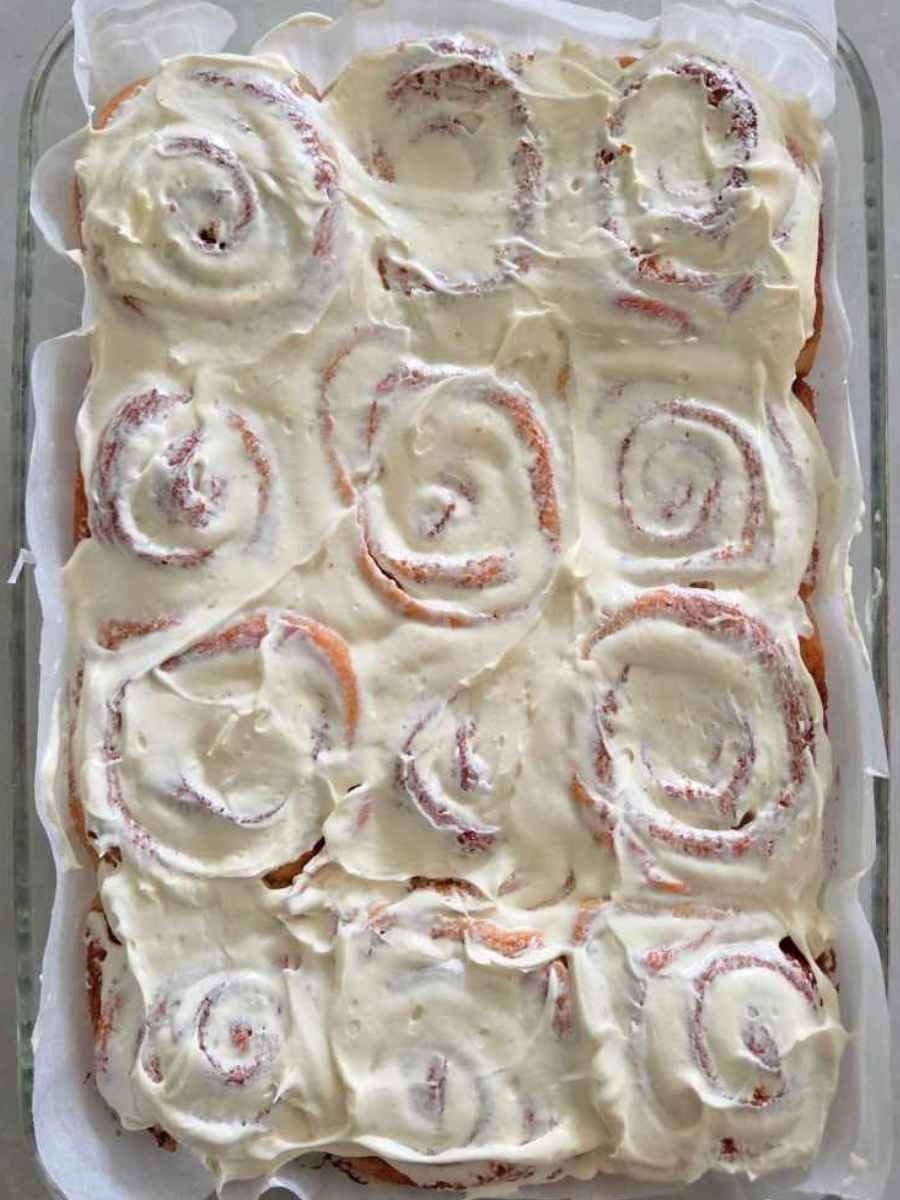
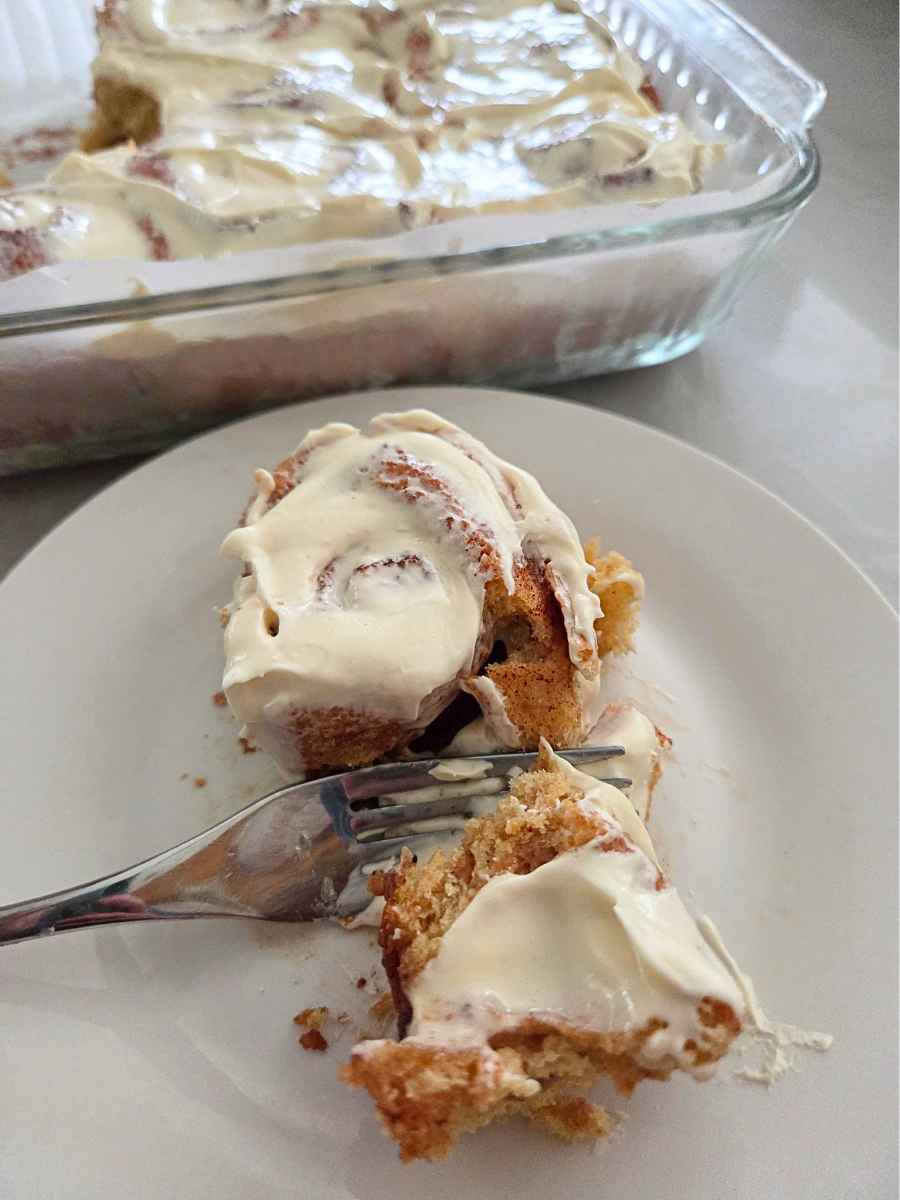
These Soft & Fluffy Fresh Milled Flour Cinnamon Rolls are unbelievably light, pillowy, incredibly soft, and absolutely delicious.
This post may contain affiliate links, please read my disclosure policy for details.
Made with 100% freshly milled hard white wheat, they have all the rich flavor and nutrition of whole grain flour while baking up with a texture that’s every bit as soft as a traditional bakery cinnamon roll. Each roll is layered with buttery cinnamon, rich brown sugar, and a creamy homemade cream cheese frosting, making them perfect for holidays, special breakfasts, or any morning that calls for something extra special.
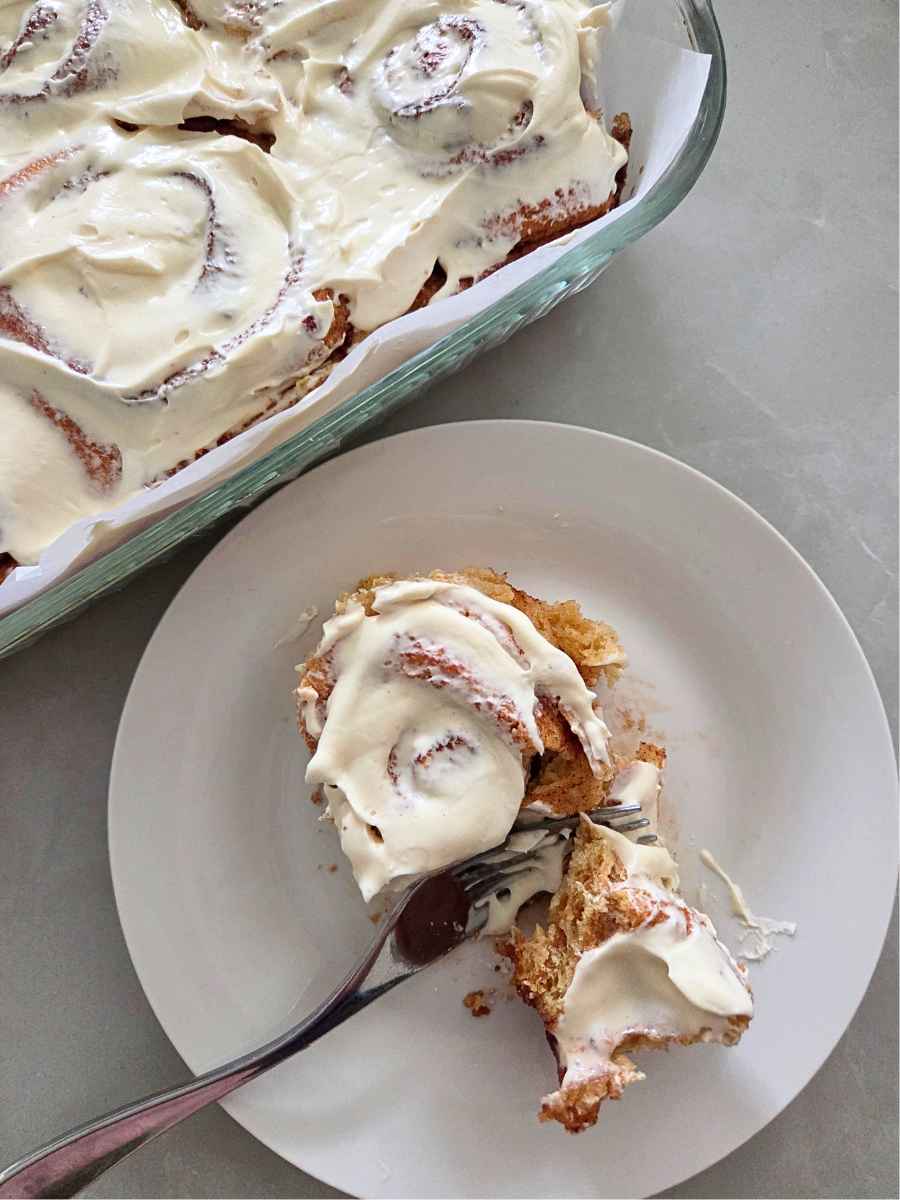
After several test batches, I finally found the perfect combination of ingredients and technique to create cinnamon rolls that stay incredibly soft while still being easy to make. The result is a recipe that delivers soft, fluffy rolls every single time—without sacrificing the wholesome flavor that makes baking with fresh milled flour so special.
If you’ve been looking for fresh milled flour cinnamon rolls that don’t bake up heavy or dense, this is the recipe you’ve been waiting for.
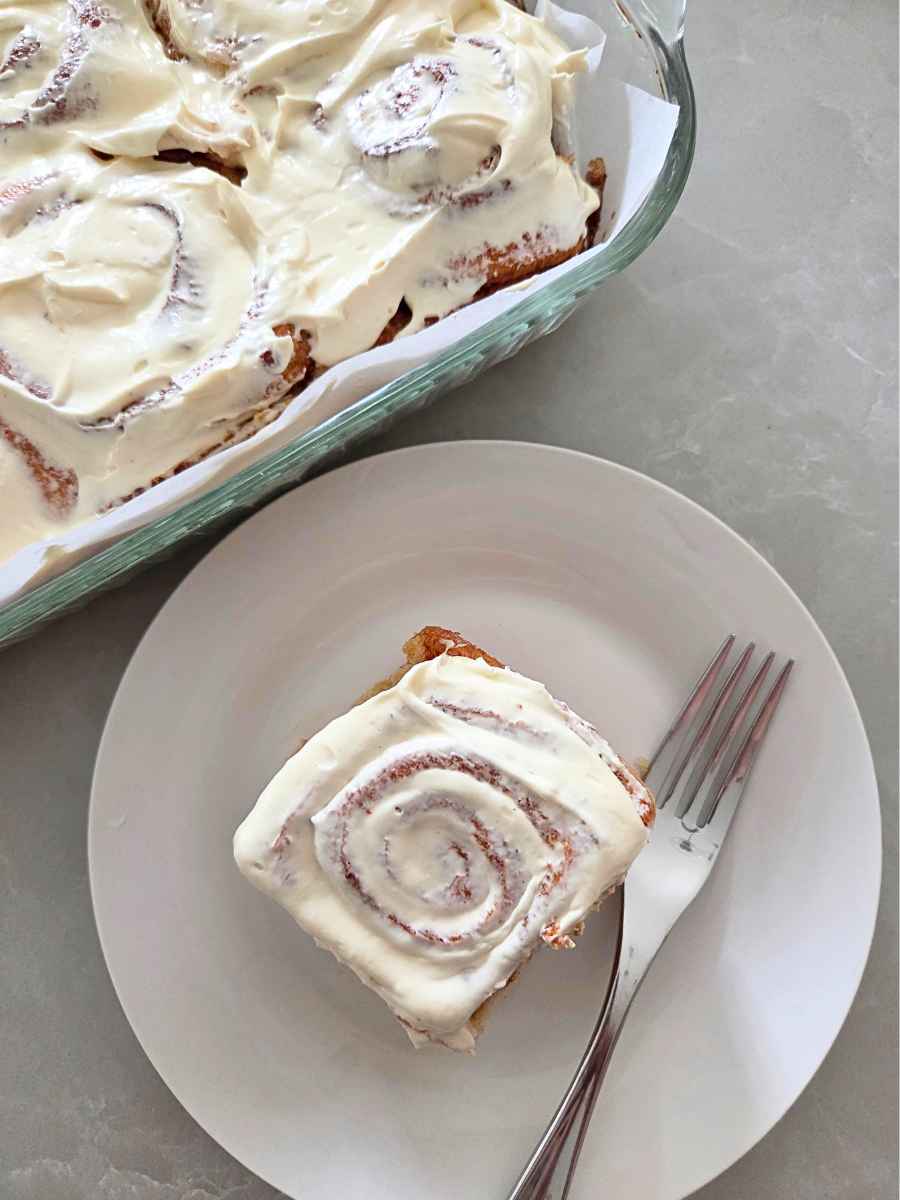
The Secret to These Fresh Milled Flour Cinnamon Rolls
It took me several test batches to get these cinnamon rolls exactly the way I wanted them. The biggest lesson I learned? Resist the urge to add more flour.
This dough is intentionally softer than a traditional cinnamon roll dough. After mixing, give the freshly milled flour time to fully absorb the liquid before kneading. That extra hydration is what creates a light, soft, and fluffy texture.
If you’re looking at the dough and thinking, “This can’t be right,” trust the process. It may seem too soft at first, but that’s exactly what made these the best fresh milled flour cinnamon rolls I’ve ever baked.
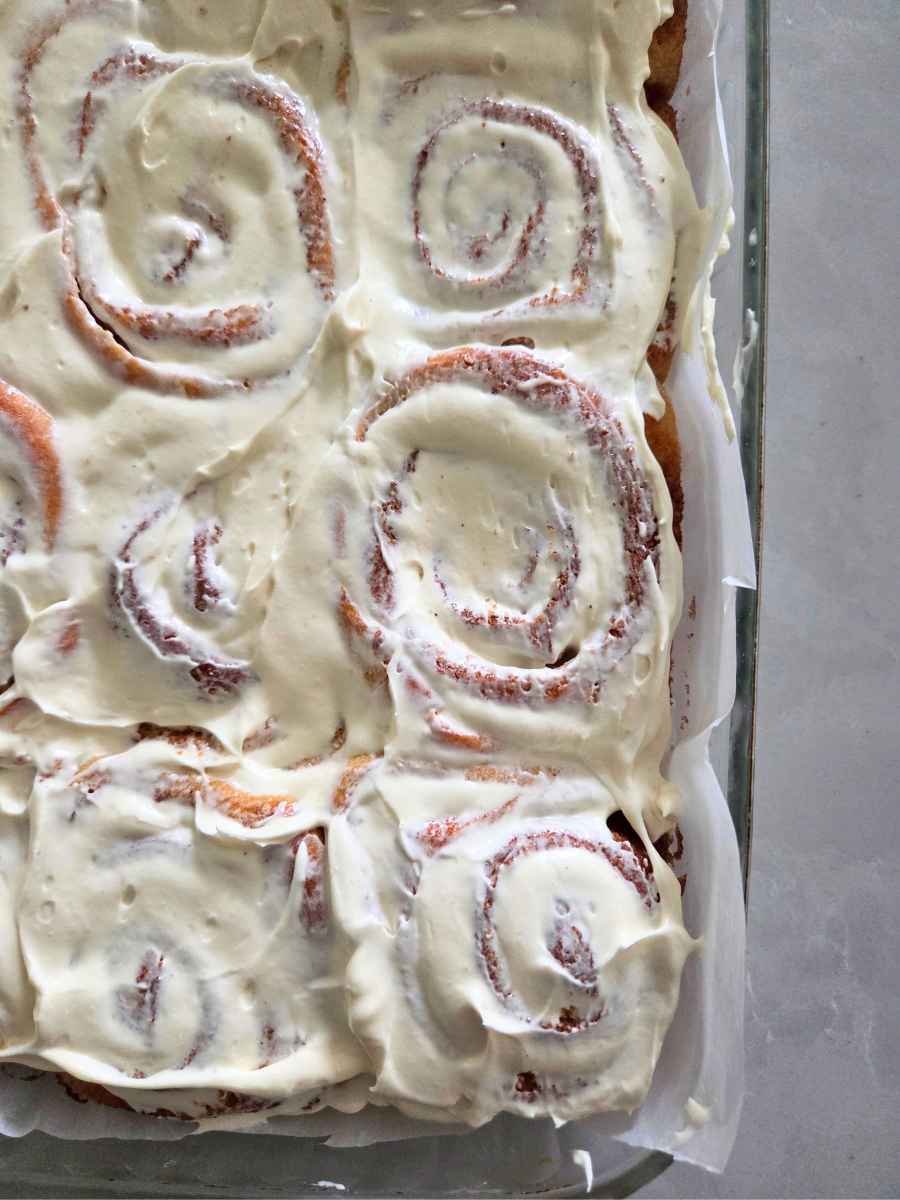
Why You’ll Love These Fresh Milled Flour Cinnamon Rolls
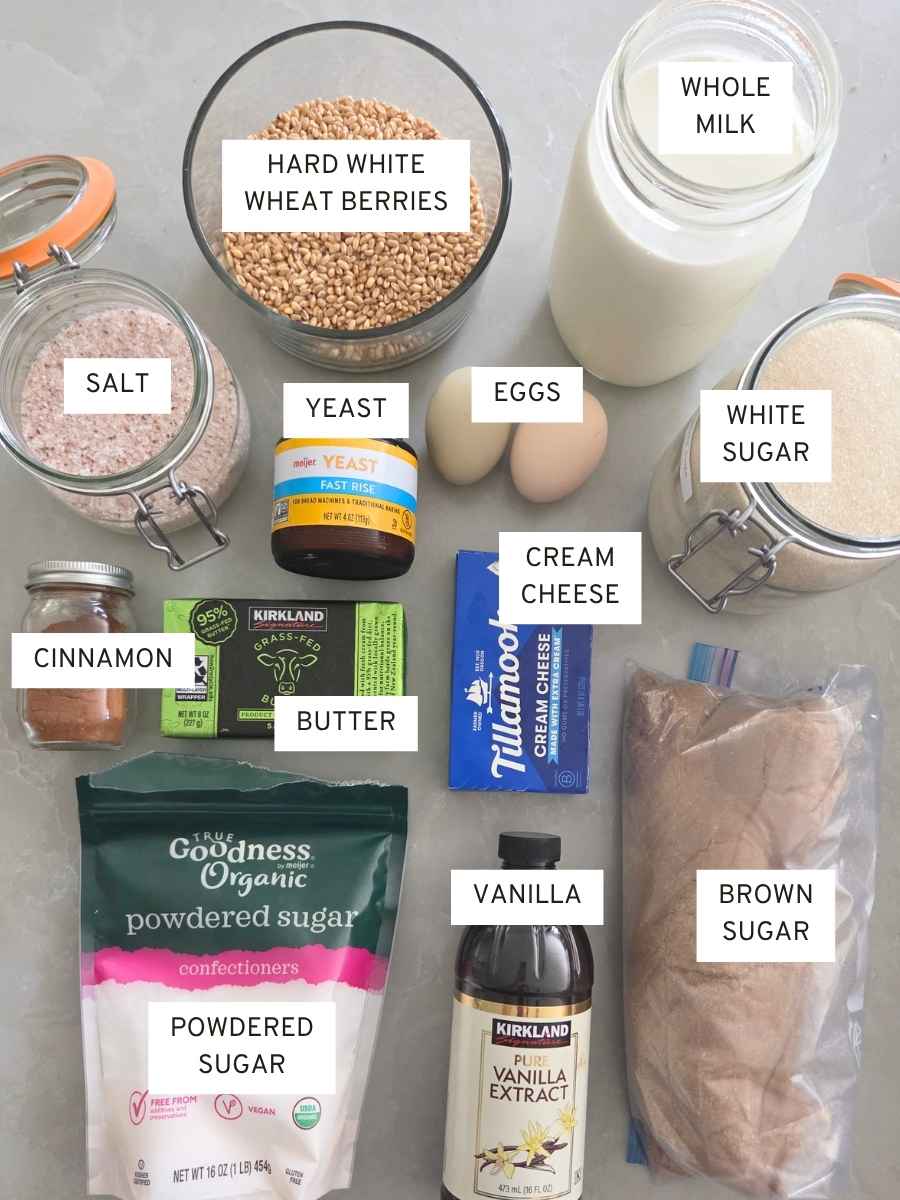
Key Ingredients
Hard White Wheat vs. Soft White Wheat
If you’re just getting started baking with fresh milled flour, I recommend using hard white wheat for yeast recipes like cinnamon rolls, sandwich bread, dinner rolls/burger buns, and breadsticks. It gives breads a beautiful rise and that soft, fluffy texture we all love.
Soft white wheat is my go-to for more delicate baked goods like cookies, muffins, pancakes, biscuits, and pie crust because it creates a softer, more tender crumb.
Instant Yeast vs. Active Dry Yeast
Both instant (fast rise) and active dry yeast work well in this recipe.
I prefer instant yeast because it gives the dough a quicker, more consistent rise. Although it can be mixed directly into the dry ingredients, I still like to let it sit in the warm milk for about 5 minutes before mixing the dough.
If you’re using active dry yeast, let it proof in the warm milk for 5–10 minutes, or until it’s foamy, before continuing with the recipe. It works just as well, but your dough may take a little longer to rise.
Tips for the Best Fresh Milled Flour Cinnamon Rolls
Don’t Be Tempted to Add More Flour
One of the hardest parts of this recipe is trusting the dough. It will be much softer than you may think it should be—and that’s completely normal.
You might even wonder if it needs more flour, but don’t rush to add it! A softer dough is what creates those light, fluffy, tender cinnamon rolls.
Let the Dough Rest Before Kneading
After mixing the dough together, let it rest for at least 20 minutes before kneading. This gives the freshly milled flour time to fully absorb the liquid, making the dough easier to work with while creating a soft, tender crumb.
Warm the Milk—Don’t Overheat It
Warm the milk to 105–110°F before adding the yeast. Milk that’s too hot can damage the yeast, while milk that’s too cool will slow the rise. It should feel warm to the touch, similar to warm bath water, but never hot.
Use Room Temperature Ingredients
Room temperature eggs and softened cream cheese blend more easily into the dough and frosting. If your eggs are cold, place them in a bowl of warm water for 5–10 minutes before using them.
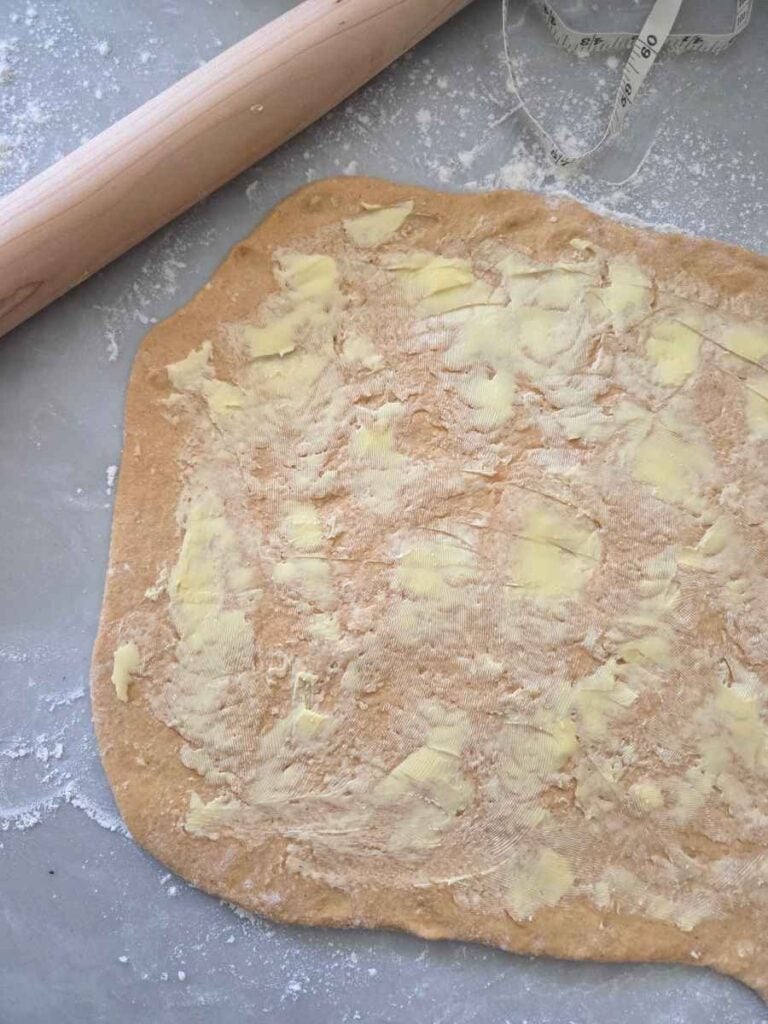
Spread the Butter a Little at a Time
This dough is intentionally softer than a traditional cinnamon roll dough, so trying to spread all of the butter at once can stretch or tear it.
I like to add just a little butter to my butter knife at a time and gently spread it over the dough. It takes a little longer, but it makes spreading the butter much easier and helps keep the dough from tearing.
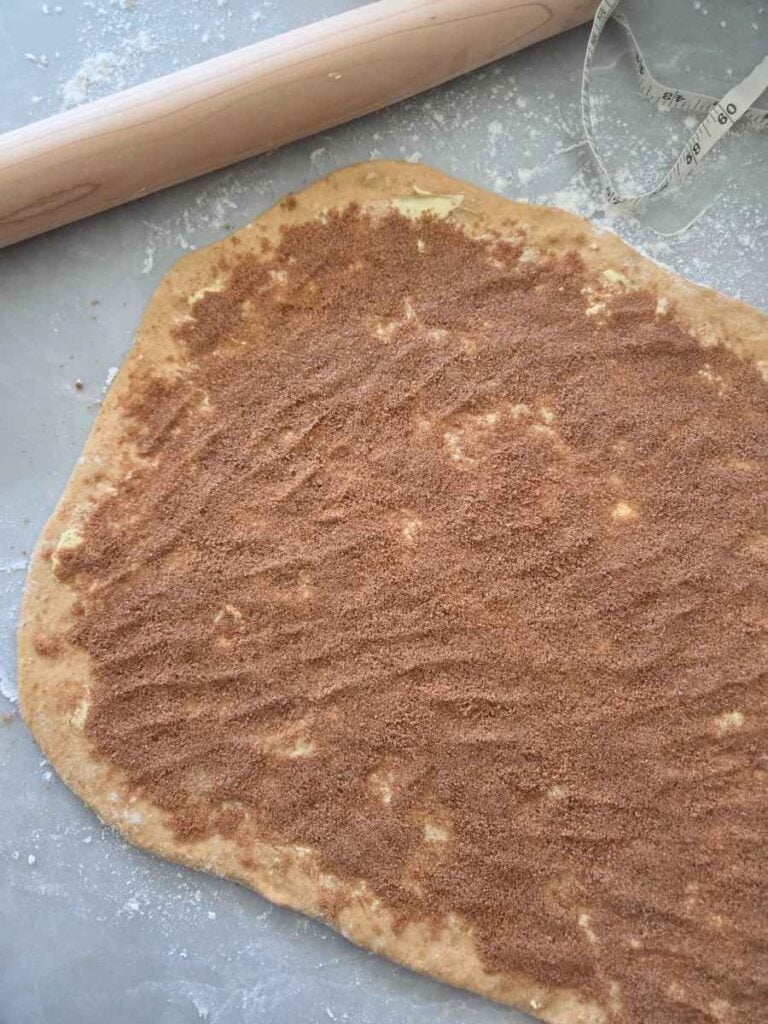
Press the Cinnamon Sugar Into the Butter
After spreading the softened butter over the dough, sprinkle on the cinnamon sugar mixture and gently press it into the butter with your hands. This helps the filling stay in place while rolling and gives you beautiful cinnamon swirls in every bite.
Don’t Overbake
One of the easiest ways to end up with dry cinnamon rolls is to leave them in the oven too long.
I tested this recipe in both a glass and metal 9×13-inch baking dish. If you’re baking in a glass pan, I’d start checking the rolls around 18 minutes, as mine were done in about 20 minutes. My metal pan took 22 minutes and cooled down more quickly after baking. In my testing, the cinnamon rolls baked in the metal pan stayed especially soft for days.
Every oven bakes a little differently, so use these times as a guide and keep an eye on the rolls rather than relying only on the timer.
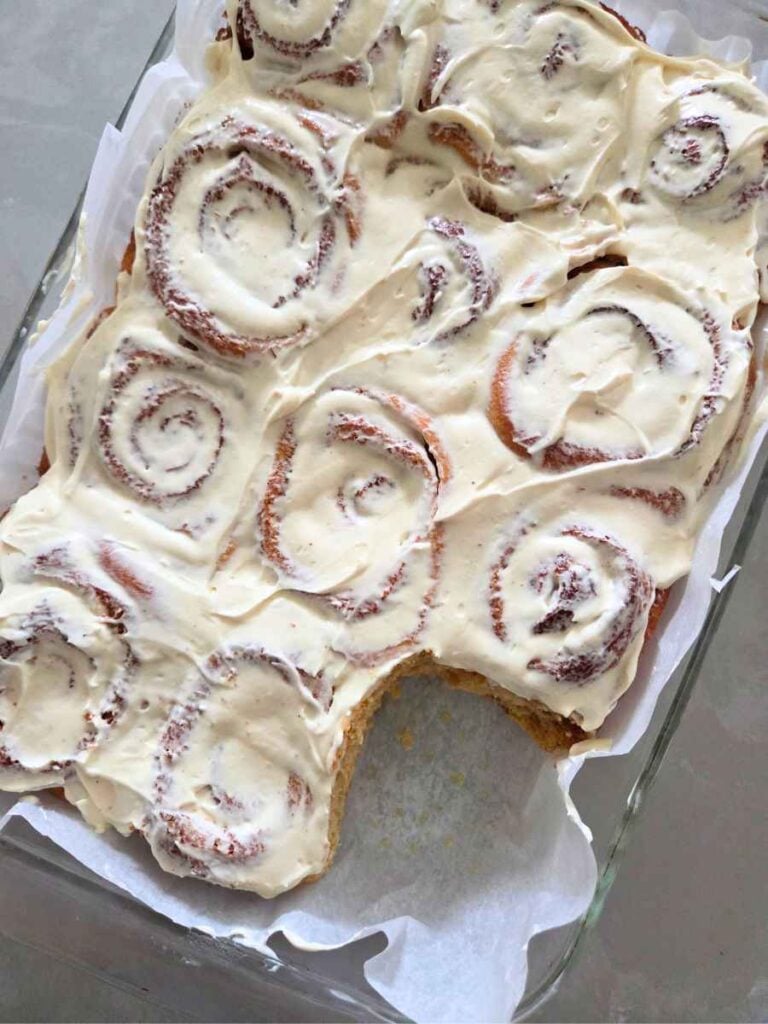
How to Make Fresh Milled Flour Cinnamon Rolls
Step 1: Mill the Flour
Mill the hard white wheat berries. Whisk together the freshly milled flour, salt, and cinnamon (1 tsp). Set aside.
Step 2: Mix the Wet Ingredients
Warm the milk to 105–110°F. Stir in the yeast and let it sit for 5 minutes. (If using active dry yeast, let it sit 5–10 minutes, or until foamy.)
Add the sugar, cooled melted butter, and eggs. Whisk until well combined, or use the paddle attachment on your stand mixer, making sure the eggs are fully broken up before adding the flour.
Step 3: Mix the Dough
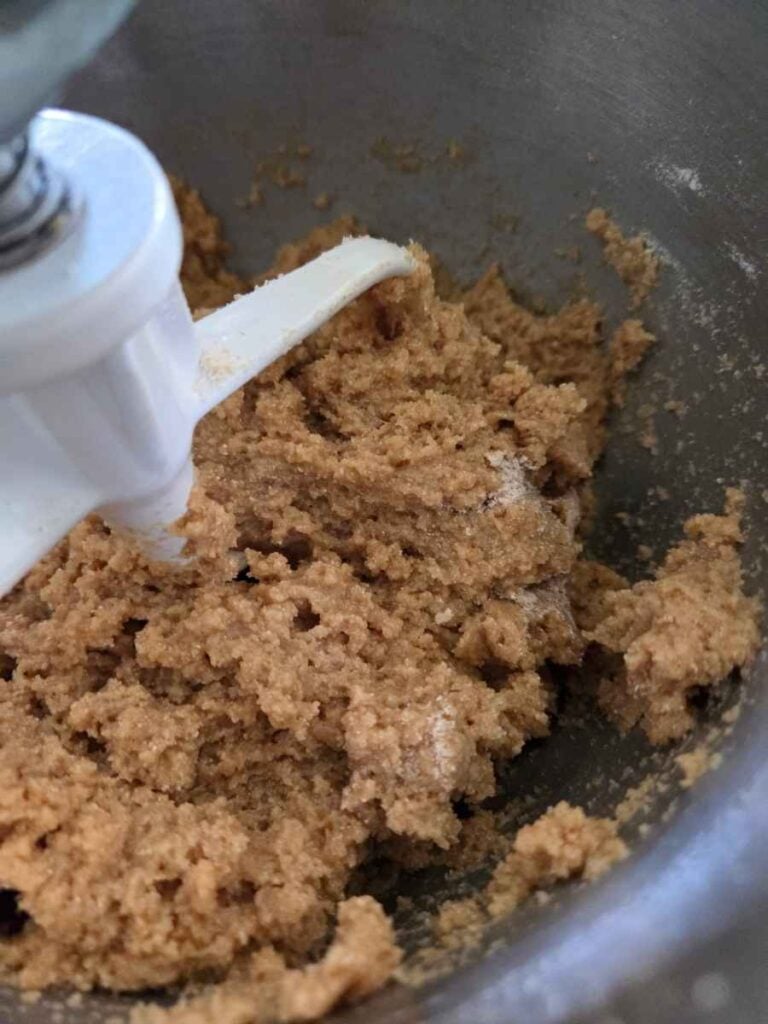
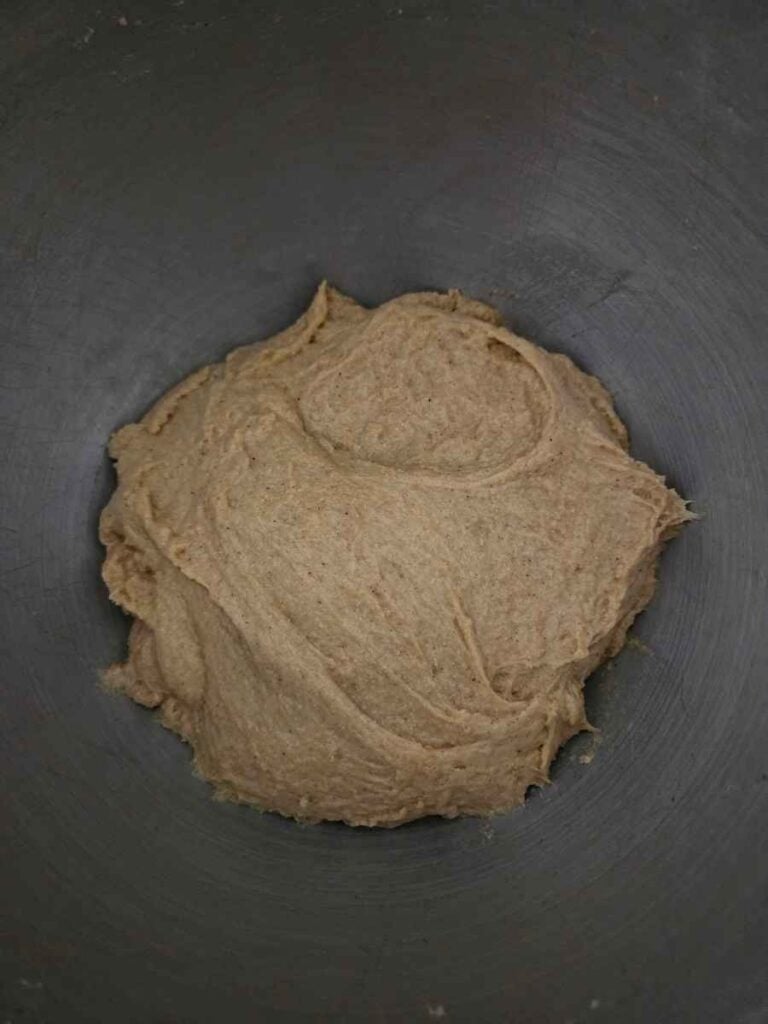
Slowly add the flour mixture until a shaggy dough forms.
Cover the bowl with plastic wrap and let the dough rest for 20 minutes. This gives the freshly milled flour time to fully hydrate before kneading.
Switch to the dough hook and knead on medium speed for at least 10 minutes. Stop to scrape down the sides of the bowl as needed. (I use speed 6 on my KitchenAid.)
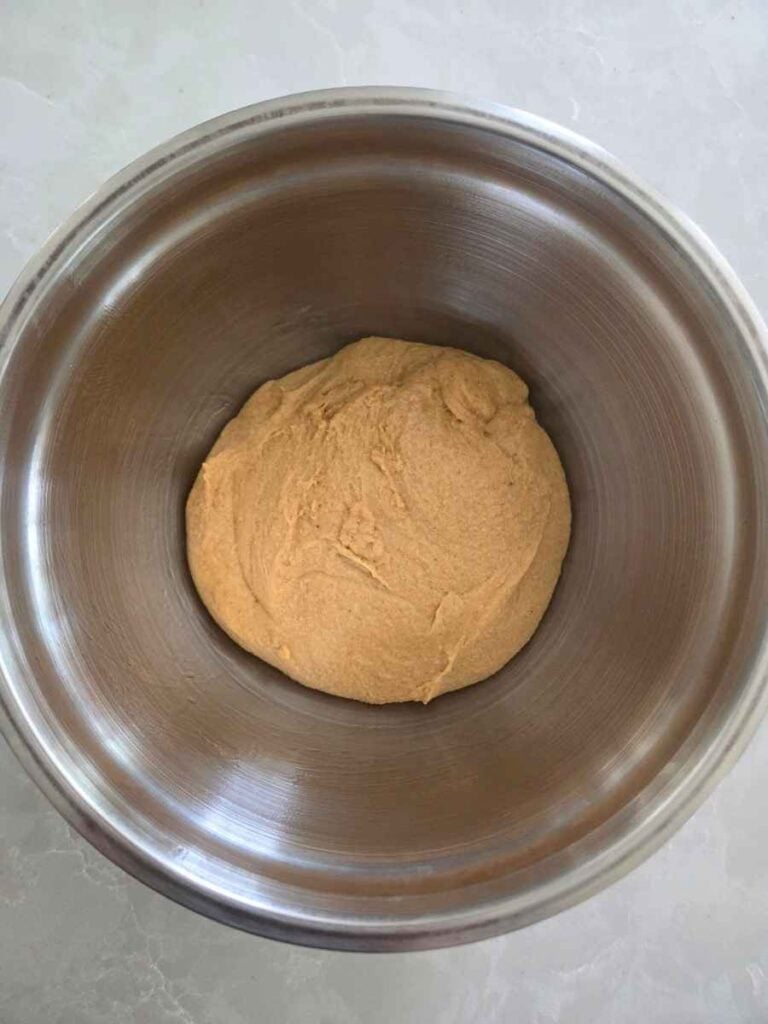
The finished dough should be soft, smooth, and slightly sticky, beginning to pull away from the sides of the bowl. It will be softer than you might expect—that’s normal! Resist the urge to add more flour, as the softer dough is what creates light, soft, and fluffy cinnamon rolls.
Step 4: First Rise
Lightly grease a large bowl with oil.
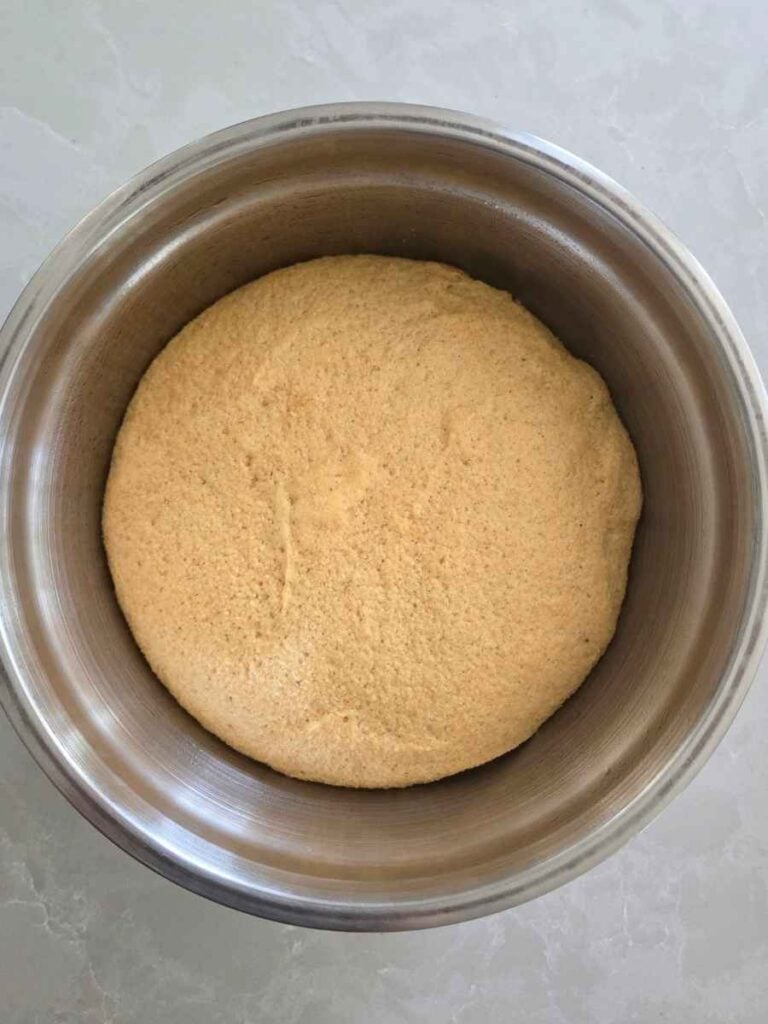
Transfer the dough to the bowl, cover, and let it rise in a warm place until doubled in size, about 1–2 hours. Mine usually takes about an hour in my oven with only the light turned on.
Step 5: Fill and Roll
Mix together the brown sugar and cinnamon (2 1/2 tsp).
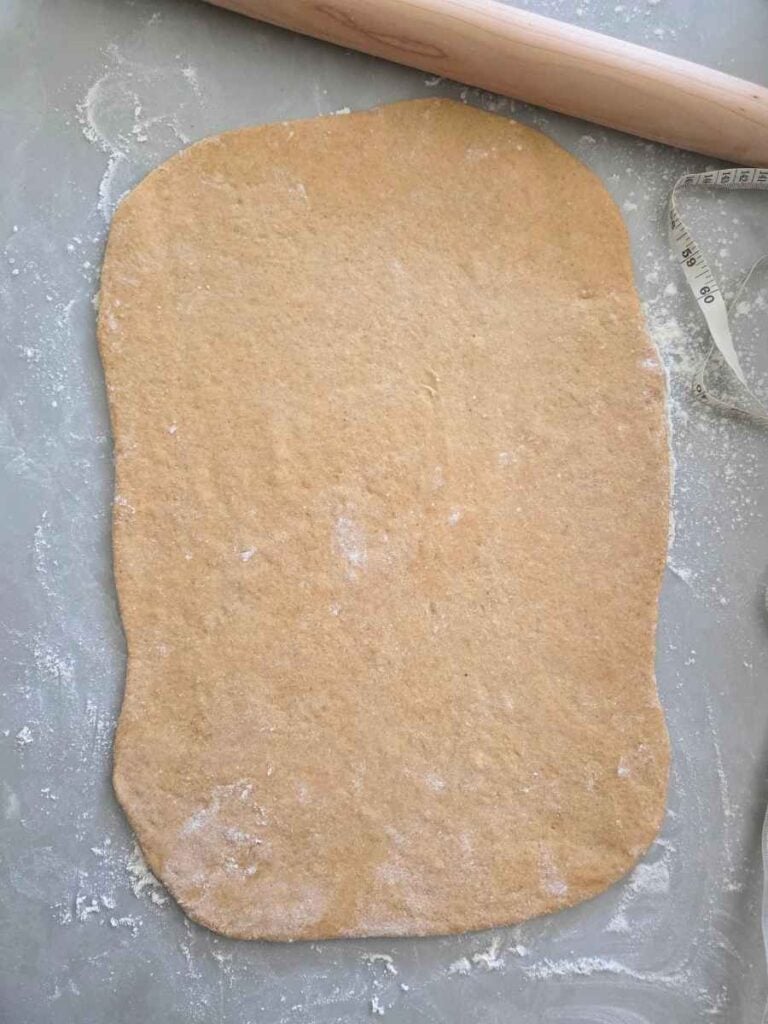
Roll the dough into a 12×18-inch rectangle.
Because the dough is softer than a traditional cinnamon roll dough, spread the softened butter a little at a time. I like to put just a small amount of butter on my butter knife and gently spread it over the dough before adding more. This makes it much easier to cover the dough without stretching it too much or tearing it.
Sprinkle the cinnamon sugar mixture over the butter and gently press it into the butter with your hands.
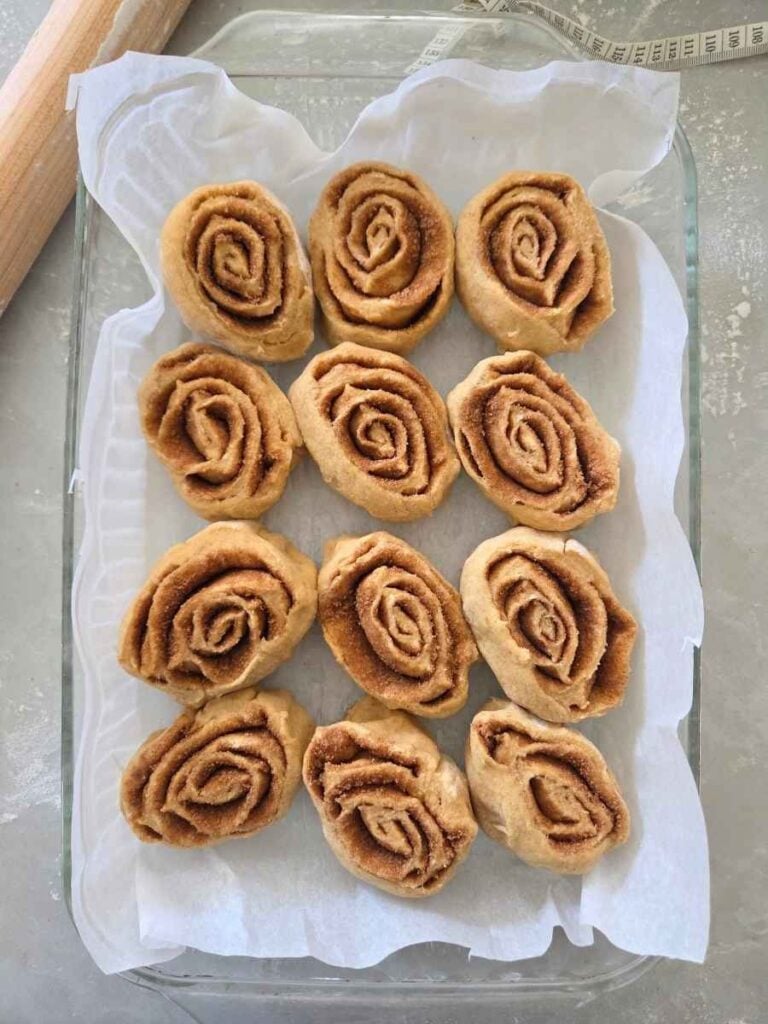
Starting with the long edge, roll the dough into a tight log and cut into 12 equal rolls.
Step 6: Second Rise
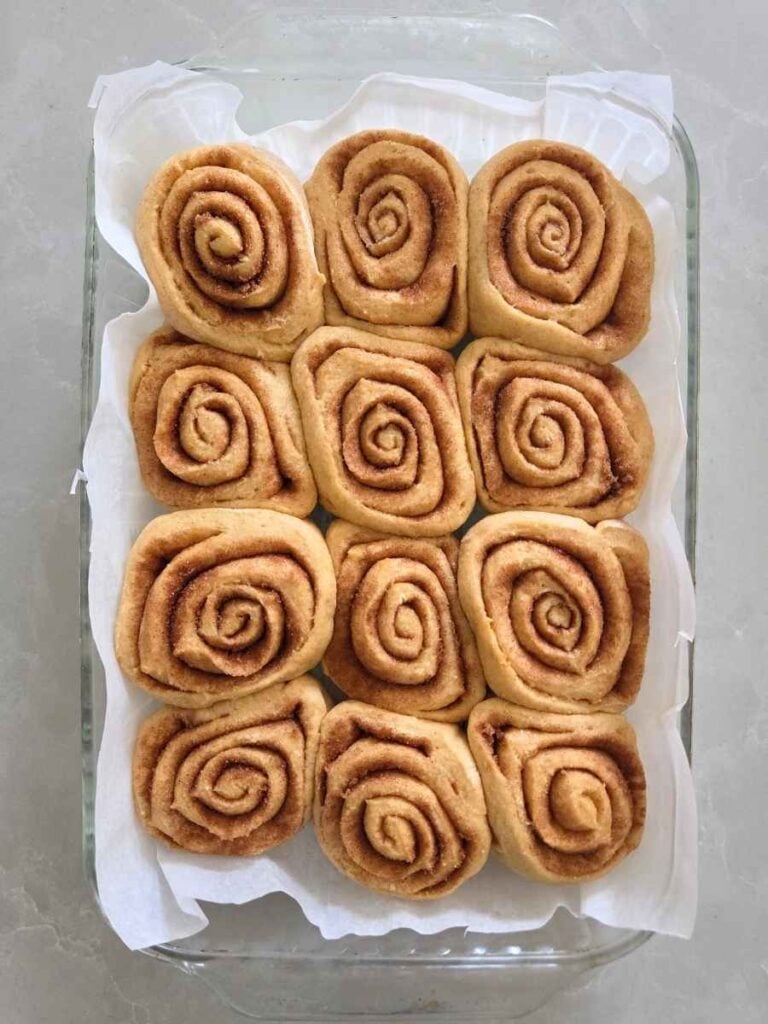
Place the rolls into a greased or parchment-lined 9×13-inch baking dish.
Cover and let rise until puffy, about 45 minutes, though this can vary depending on the warmth of your kitchen.
Step 7: Bake
Bake at 350°F for 20–22 minutes. If using a glass 9×13-inch baking dish, start checking the rolls around 18 minutes, as they may be done closer to 20 minutes. In a metal pan, mine were perfect at about 22 minutes. Since every oven bakes differently, use these times as a guide and keep an eye on the rolls.
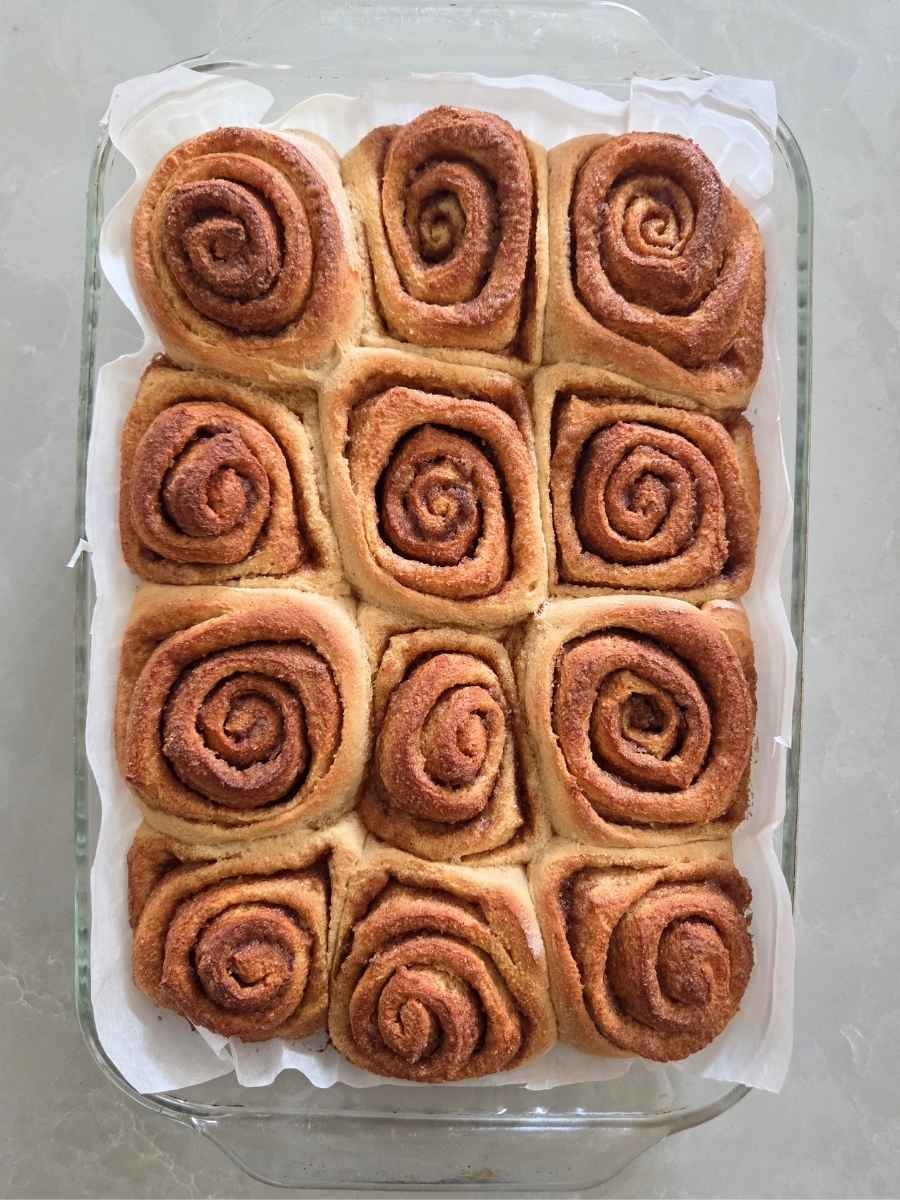
Step 8: Frost
Let the rolls cool for about 10 minutes before frosting.
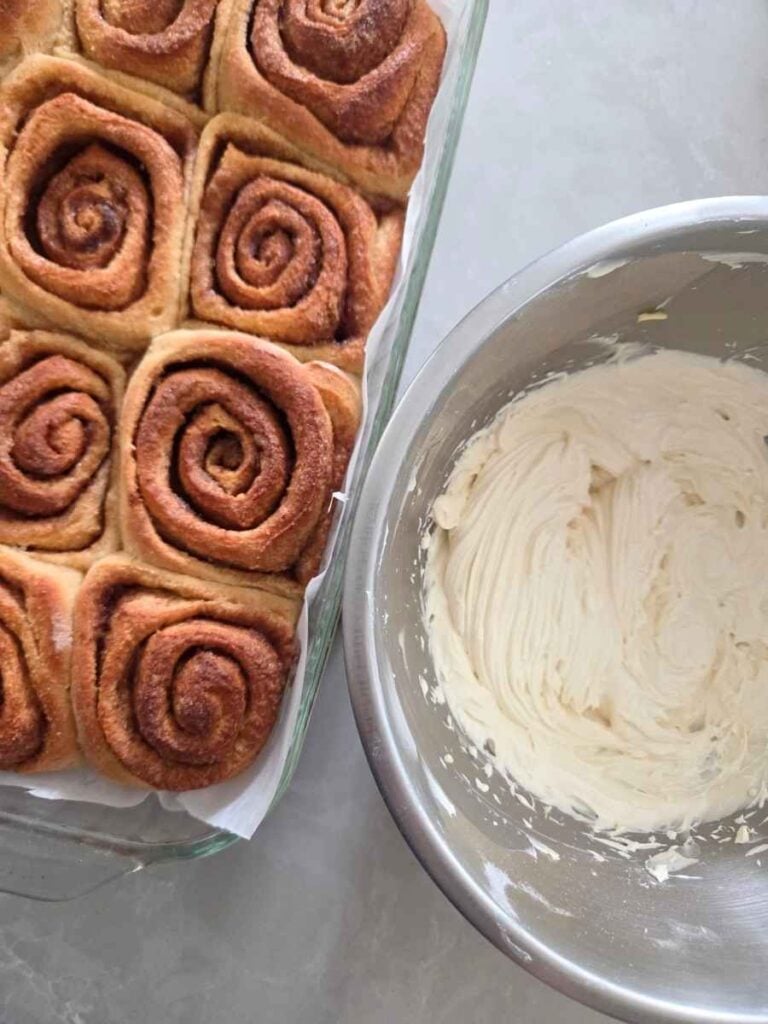
While waiting, beat together the cream cheese, butter, powdered sugar, and vanilla until smooth.
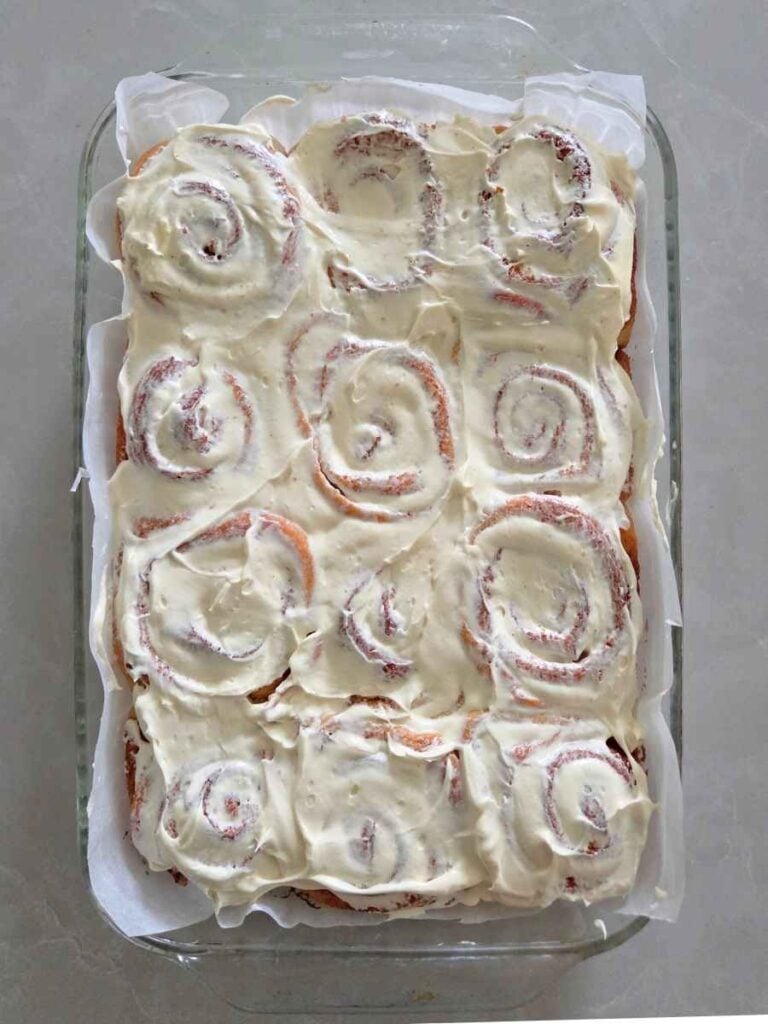
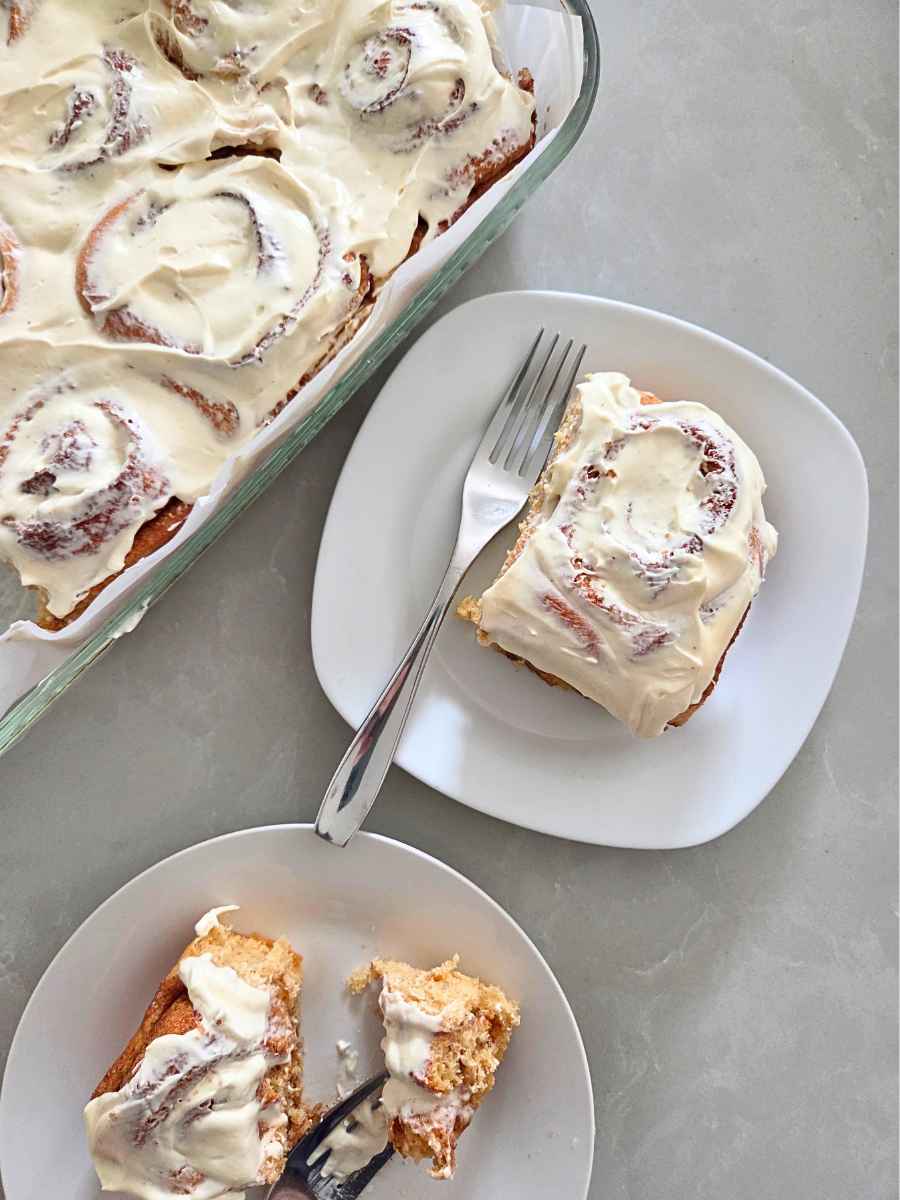
Spread over the warm cinnamon rolls and, if you can resist, let them cool another 10 minutes before serving.
How to Store Fresh Milled Flour Cinnamon Rolls
Room Temperature
These freshly milled cinnamon rolls are best enjoyed fresh, but they’ll stay soft for up to 2 days when stored in a tightly covered container on the counter.
Refrigerator
If you’d like to keep them longer, store them covered in the refrigerator for up to 5 days. I like to let them come to room temperature or warm them in a low oven before serving.
Freezer
For longer storage, place the cooled cinnamon rolls in a freezer-safe container and freeze for up to 3 months. When you’re ready to enjoy them, thaw overnight and warm gently in the oven.
Reheating
Cover the cinnamon rolls with foil and warm them in a 300°F oven for about 8–10 minutes, or until heated through. If the frosting has already been added, warming them covered helps keep them soft.
FAQ
More Fresh Milled Flour Breakfast Recipes
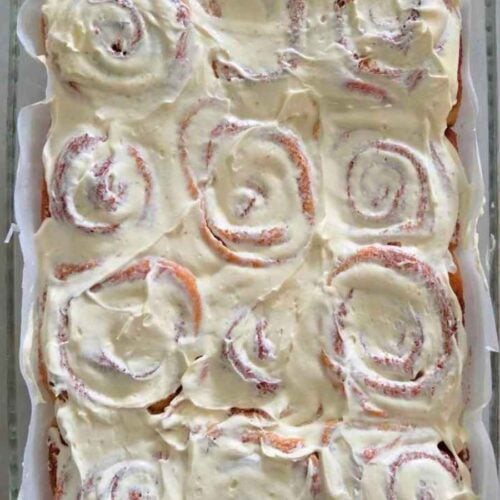
Soft & Fluffy Fresh Milled Flour Cinnamon Rolls
Equipment
- Grain mill
- Kitchen scale
- Stand mixer
- 9 x 13" baking dish
- Rolling Pin
Ingredients
Dough
- 1 cup whole milk warmed to 105-110°F
- 2¼ teaspoons instant (fast rise) or active dry yeast
- ¼ cup granulated sugar
- 4 tablespoons salted butter melted and slightly cooled (57 g)
- 2 large eggs room temperature
- 410 grams hard white wheat berries
- 1 teaspoon salt
- 1 teaspoon ground cinnamon
- oil for greasing the bowl
Filling
- 4 tablespoons salted butter softened (57 g)
- ⅔ cup packed brown sugar light or dark
- 2½ teaspoons ground cinnamon
Cream Cheese Frosting
- 4 ounces cream cheese softened (112 g)
- ¾ cup powdered sugar
- 2 tablespoons salted butter softened (28 g)
- 1 teaspoon vanilla extract
Instructions
- Mill the FlourMill the hard white wheat berries. Whisk together the freshly milled flour, salt, and cinnamon (1 tsp). Set aside.
- Mix the Wet IngredientsWarm the milk to 105–110°F. Stir in the yeast and let it sit for 5 minutes. (If using active dry yeast, let it sit 5–10 minutes, or until foamy.)Add the sugar, cooled melted butter, and eggs. Whisk until well combined, or use the paddle attachment on your stand mixer, making sure the eggs are fully broken up before adding the flour.
- Mix the DoughSlowly add the flour mixture until a shaggy dough forms.Cover the bowl with plastic wrap and let the dough rest for 20 minutes. This gives the freshly milled flour time to fully hydrate before kneading.Switch to the dough hook and knead on medium speed for at least 10 minutes. Stop to scrape down the sides of the bowl as needed. (I use speed 6 on my KitchenAid.)The finished dough should be soft, smooth, and slightly sticky, beginning to pull away from the sides of the bowl. It will be softer than you might expect—that's normal! Resist the urge to add more flour, as the softer dough is what creates light, soft, and fluffy cinnamon rolls.
- First RiseLightly grease a large bowl with oil.Transfer the dough to the bowl, cover, and let it rise in a warm place until doubled in size, about 1–2 hours. Mine takes an hour in my oven with only the light turned on.
- Fill and RollMix together the brown sugar and cinnamon (2 ½ tsp).Roll the dough into a 12×18-inch rectangle.Because the dough is softer than a traditional cinnamon roll dough, spread the softened butter a little at a time. I like to put just a small amount of butter on my butter knife and gently spread it over the dough before adding more. This makes it much easier to cover the dough without stretching it too much or tearing it.Sprinkle the cinnamon sugar mixture over the butter and gently press it into the butter with your hands.Starting with the long edge, roll the dough into a tight log and cut into 12 equal rolls.
- Second RisePlace the rolls into a greased or parchment-lined 9×13-inch baking dish.Cover and let rise until puffy, about 45 minutes, though this can vary depending on the warmth of your kitchen.
- BakeBake at 350°F for 20–22 minutes. If using a glass baking dish, start checking the rolls around 18 minutes, as they may be done closer to 20 minutes. My metal pan took about 22 minutes. Since every oven bakes differently, use these times as a guide and keep an eye on the rolls.
- FrostLet the rolls cool for about 10 minutes.Beat together the cream cheese, butter, powdered sugar, and vanilla until smooth.Spread over the warm cinnamon rolls and, if you can resist, let them cool another 10 minutes before serving.
Notes
Storage
Store cinnamon rolls in an airtight container at room temperature for up to 2 days or in the refrigerator for up to 5 days.Freezing
Freeze completely cooled cinnamon rolls in a freezer-safe container for up to 3 months. Thaw overnight before reheating.Reheating
Cover with foil and warm in a 300°F oven for 8–10 minutes, or until heated through.Did you make this recipe?
I’d love to see! Tag @freshmilledfarmhouse on Facebook and leave a comment below!



What else can you use instead of hard white? Im not a fan of the flavor.
Hard red wheat will have a stronger wheat flavor, so if you’re looking for something milder, I’d try spelt or Khorasan (Kamut).